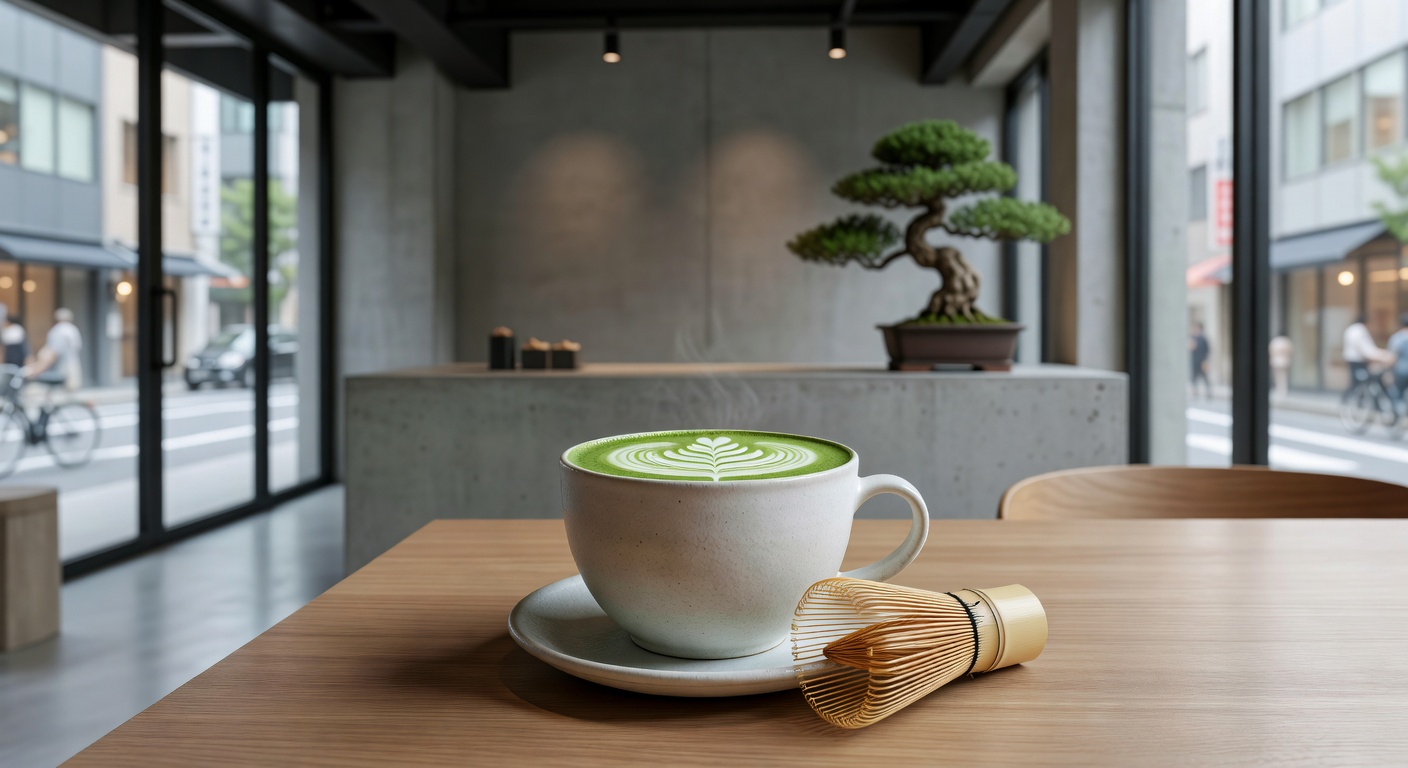
There is a Japanese word — chōshoku no jikan — that loosely translates as "the time of the morning meal," but in practice it carries a far wider meaning. It suggests a whole period, not just a meal, in which the day prepares itself. A time that belongs to no one else. A time in which the pace is yours to set.
For many people in Japan, especially those who grew up in households shaped by older traditions, the morning was never treated as something to rush through. You did not bolt breakfast or scroll a phone in place of conversation with the window. The light coming in at seven in the morning deserved a moment of acknowledgment — not because anything mystical was happening, but because paying attention to the beginning of a day was simply part of living one well.
This is harder to hold onto than it sounds. The pressures of contemporary working life pull against it constantly. But there is something worth recovering in the idea of a morning that is handled with care, and Japan's domestic culture offers a useful model — not a rigid one, but a suggestive one.
Why the First Hour Shapes the Rest
Research into circadian rhythms and cognitive performance has confirmed what many cultures knew intuitively: the first sixty minutes after waking are unusual in quality. The brain is in a state of transition. Cortisol — the hormone associated with alertness — is naturally elevated. The nervous system is calibrating itself. What you choose to do with that window matters more than you might expect.
In practice, this means that a calm, unhurried first hour tends to produce a calmer, more focused day. Not always. Life has interruptions. But the correlation is real enough to be worth working with.
In Japanese households, the traditional morning sequence — however varied in its specifics — typically involves some combination of physical movement (even if only gentle stretching), hot water or tea, a considered meal, and a brief period without screens. These are not arbitrary customs. They are, in aggregate, a set of physiological and psychological practices that happen to align well with what we now understand about how the human body and mind transition into full wakefulness.
"The morning is not preparation for the day. It is already the day. How you move through it is how you move through everything."
The Role of Ritual
Ritual is a word that can sound grand, or even religious, when applied to something as ordinary as making tea. But in the context of daily life, ritual simply means a repeated action performed with intention — something done the same way not out of mindlessness but out of the quiet pleasure of a familiar gesture.
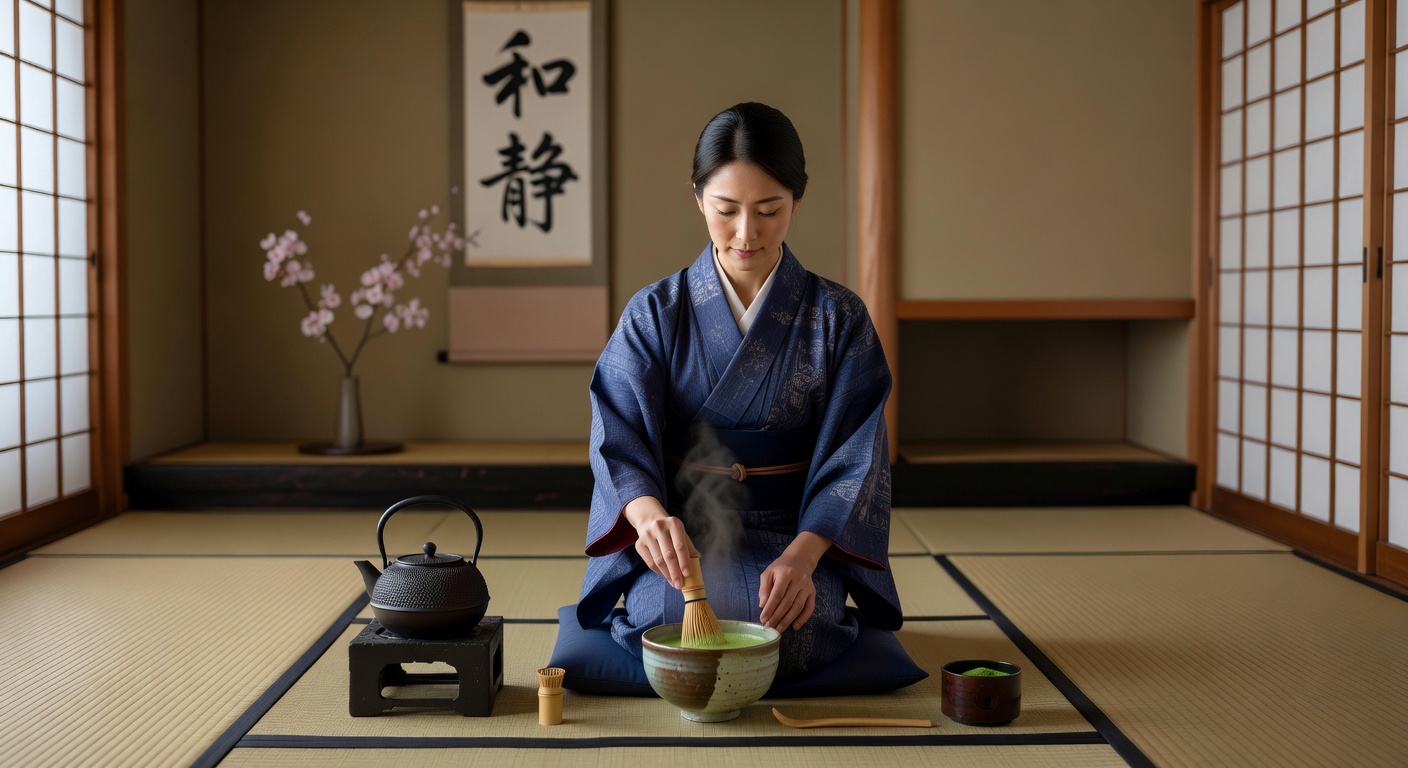
The Japanese tea ceremony, at its formal level, is famously elaborate. But its principles filter down into everyday tea-making in ways that are perfectly accessible. Warming the cup before filling it. Using water at the right temperature rather than water that is merely boiling. Taking a moment after pouring to hold the cup in both hands before drinking. None of this takes extra time. It simply takes a different quality of attention.
That shift in attention — from automatic to deliberate — is what makes a morning routine function as something more than a series of tasks to complete before leaving the house. It becomes, instead, a brief practice in being present. And being present in the morning carries forward into the rest of the day in ways that are genuinely measurable in mood and decision-making quality.
Practical Starting Points
None of this requires a dramatic reinvention of your morning. In fact, dramatic reinvention is usually the wrong approach — it creates the expectation of a performance, which is precisely the opposite of what we are after. Instead, the Japanese model tends to favour small, sustainable adjustments made one at a time.
If your mornings are currently rushed, the single most useful change you can make is structural: wake fifteen minutes earlier than you think you need to. Not to do more, but to do the same things more slowly. The difference in how the morning feels when you are not watching the clock is significant.
From there, consider which part of your current morning routine you actually enjoy — and extend it slightly. If it is the first cup of coffee, give it five more minutes. Sit with it. Look out the window. Do not reach for your phone until the cup is empty. If it is the shower, let it be a little longer and a little quieter.
The goal, over time, is a morning that feels like it belongs to you. Not to your obligations, not to your notifications, but to you — the person who has to carry the weight of the day and who deserves, at least, a good beginning.
Seasonal Awareness and Its Quiet Gifts
One aspect of the Japanese approach to daily life that often surprises people is the degree to which the seasons are acknowledged in everyday domestic rhythm. This is not ornamental. It is practical, in a deep sense.
In spring, windows are opened earlier. The light is noticed. In winter, the ritual of warming the hands around a cup becomes more deliberate, more appreciated. In autumn, the shift in the colour of morning light prompts a corresponding shift in pace — things slow down slightly, because the season is slowing down.
This responsiveness to seasonal change is not something you need to perform. It emerges naturally when you are paying attention to your mornings rather than simply enduring them. And it gives the daily routine a quality of variation within consistency — each day recognisably part of a pattern, but never quite identical to the one before.
A morning well spent is not a luxury. It is the most basic form of care you can extend to yourself before you extend care to anyone or anything else. In Japanese domestic culture, this has never needed to be explained. It has simply been part of how a good day begins.